Muscle Pain vs. Nerve Pain: Understanding the Difference
Pain Medicine Physicians & Orthopedics in Edison, Clifton, Hazlet, Jersey City and West Orange, NJ
Nov 10, 2026
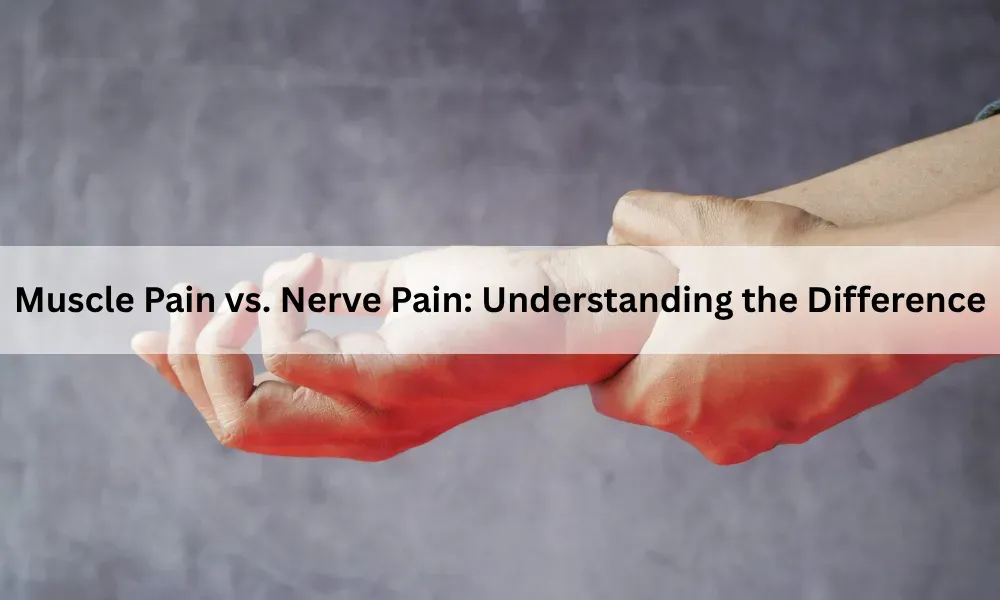
Pain can affect the body in many different ways, and not all pain feels the same. Some patients experience soreness and tightness within the muscles, while others describe burning, tingling, numbness, or radiating discomfort traveling through the arms or legs.
Understanding the difference between muscle pain and nerve pain is important because each type of pain may have different underlying causes and treatment approaches.
At Garden State Pain & Orthopedics, our specialists evaluate musculoskeletal and neurologic conditions to help patients identify the source of their symptoms and improve overall function and mobility.
Muscle pain, also called muscular pain, typically develops when muscles become strained, overworked, inflamed, or tight.
This type of pain is commonly associated with:
Muscle pain often feels:
Symptoms may worsen after activity or prolonged positioning and often improve with stretching, movement, or rest.
Muscular pain commonly affects:
Patients frequently describe feeling “tight knots” or soreness that becomes worse after physical strain or long workdays.
Nerve pain occurs when nerves become irritated, compressed, inflamed, or damaged. Unlike muscle pain, nerve pain often follows the path of a nerve and may radiate into other parts of the body.
Nerve-related symptoms may develop from:
Nerve pain often feels:
Some patients also experience weakness or altered sensation in the affected area.
Certain symptoms are more commonly associated with nerve involvement.
These may include:
For example, sciatic nerve irritation may cause pain traveling from the lower back into the leg and foot.
In some cases, patients may experience both muscular and nerve-related symptoms at the same time.
For example:
Because symptoms can overlap, comprehensive evaluation is important to determine the true source of discomfort.
Treating muscle pain and nerve pain often requires different approaches.
Without proper evaluation, patients may:
Identifying whether symptoms are muscular, neurologic, or both helps guide more effective treatment planning.
Treatment depends on the source and severity of symptoms.
Management options may include:
The goal of treatment is to improve function, reduce pain, and restore mobility safely and effectively.
At Garden State Pain & Orthopedics, our specialists evaluate conditions affecting the muscles, joints, spine, and nerves.
We provide comprehensive orthopedic and pain management care focused on:
Our team serves patients throughout New Jersey with convenient locations in Clifton, Edison, West Orange, Hazlet, and Jersey City.
Whether symptoms feel muscular, nerve-related, or a combination of both, ongoing pain should not be ignored.
If you are experiencing persistent soreness, radiating pain, tingling, numbness, or weakness, the specialists at Garden State Pain & Orthopedics are here to help identify the source of your symptoms and create a personalized treatment plan.
Muscle pain usually feels sore, tight, or achy, while nerve pain is often burning, tingling, numb, sharp, or radiating.
Yes. Nerve irritation can sometimes cause surrounding muscles to tighten or spasm, creating overlapping symptoms.
Common causes include herniated discs, sciatica, spinal stenosis, pinched nerves, and nerve compression.
Typically, tingling and numbness are more commonly associated with nerve involvement rather than muscular soreness.
Treatment may include physical therapy, rehabilitation, injections, postural correction, minimally invasive procedures, and orthopedic evaluation depending on the cause.